
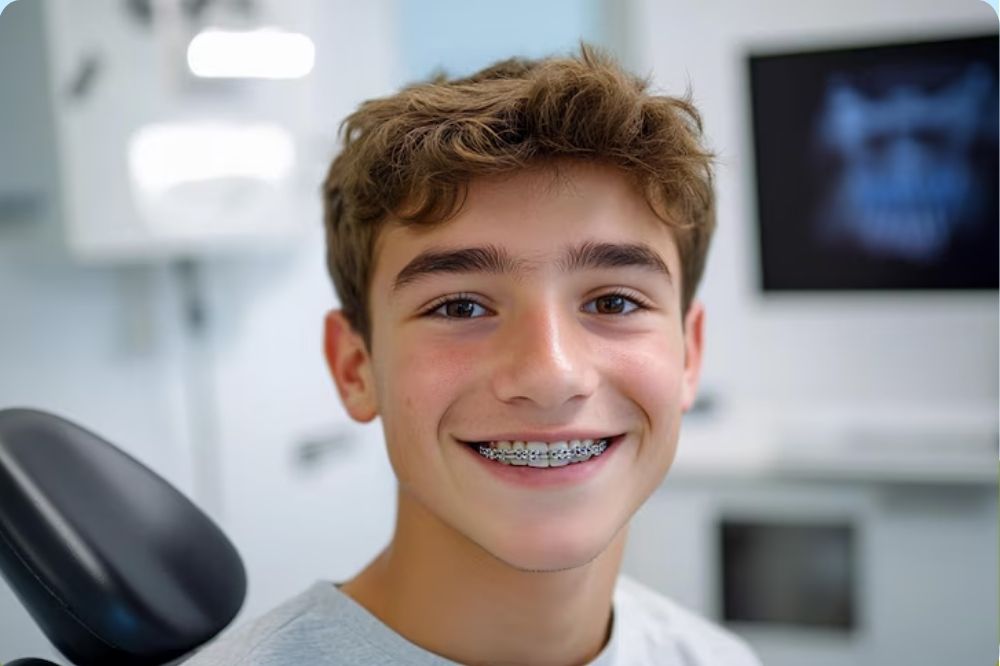
Braces and aligners are well-liked treatments for straightening crooked teeth and jaw issues, but in certain cases, they’re not sufficient by themselves. In more extreme cases, orthodontic surgery can be combined with it to optimize results by repositioning the jaw or facial bones in more favorable positions. This is referred to as surgically assisted orthodontics, and it’s a significant choice for individuals with more severe bite conditions. If you need surgically assisted orthodontics in Gibsonton, you’re not the only one—many individuals take advantage of this newer technology to get a healthy and lovely smile.
What Is Orthodontic Surgery?
Orthodontic surgery, jaw surgery, or orthognathic surgery is performed when the upper and lower jaws of a patient are not aligned. It leads to chewing, speaking, breathing, or facial appearance issues. Braces may be used to straighten teeth, but if the bones that hold teeth are in the wrong place, then one may have to correct the foundation first through surgery.
An oral surgeon works together with an orthodontist to plan the treatment. First, the patient wears braces to align the teeth. Then, surgery is done to move the jaw into the correct position. After healing, the braces continue to adjust the bite until everything fits just right.
This process may sound complicated, but for many people, the benefits of orthodontic surgery are well worth it.
Why Is Surgery Sometimes Needed with Braces?
Braces are great for moving teeth, but they can’t move bones that are too far off. If your jaws don’t line up properly—for example, if the lower jaw is too far back or too far forward—braces alone may not solve the problem. That’s where oral surgery comes in.
Here are a few signs that someone might need orthodontic surgery:
- A very bad bite (overbite, underbite, open bite)
- Trouble biting, chewing, or swallowing food
- Speech problems caused by jaw misalignment
- Long-term jaw or joint pain
- A facial appearance that feels “off” or unbalanced
- Breathing problems, like sleep apnea
By correcting the position of the jawbones, surgery helps braces do their job better. It can also make the results more stable and longer-lasting.
How Does the Process Work?
If you or your child may need surgery with braces, here’s what the process usually looks like:
- Consultation and Planning
Your orthodontist and oral surgeon will take X-rays, pictures, and digital scans to fully understand the shape of your teeth and jaws. They’ll explain whether you need surgery and how it will help. - Braces First
Before surgery, you’ll wear orthodontics braces for several months to get the teeth in the right position. This step makes the surgery more accurate and successful. - Surgery
The surgeon carefully moves the upper, lower, or both jaws into a better position. This surgery is usually done under general anesthesia at a hospital or surgery center. You may need to stay overnight. - Recovery and Healing
Most people take 2–3 weeks to recover from jaw surgery. During this time, you may need to eat soft foods and avoid heavy activities. Your doctor will guide you through healing. - Finishing Braces
After you heal, you’ll continue wearing braces for a few more months to fine-tune your bite. Once your teeth and jaws are in the perfect position, the braces come off, and you can enjoy your new smile.
The Benefits of Combining Surgery with Braces
The main goal of combining surgery with orthodontic treatment is to give you a healthier bite and a smile that feels good and works well. Some of the biggest orthodontic surgery benefits include
- A stronger, more balanced bite
- Improved ability to chew and speak
- Less strain on your teeth, gums, and jaw joints
- A better facial appearance and profile
- More stable results compared to braces alone.
- Better breathing in some cases
Surgery helps fix the root of the problem—jaw position—so the improvements are long-term. It’s not just about how your teeth look; it’s about how they function, too.
When Should You See a Specialist?
If you or your child has been told that braces alone may not fix your dental issues, it’s a good idea to talk to a specialist who offers oral surgery near you. An experienced oral surgeon will evaluate your needs and explain whether surgery can improve your results. Not everyone needs surgery, but for those who do, it can be a life-changing step toward better health and confidence.
Working with the right team—especially a skilled oral surgeon and orthodontist—makes all the difference in your experience and your outcome.
Ready for a Healthier Smile That Lasts? Let Us Help!
If you’ve been told you might need orthodontic surgery or are exploring options like surgically assisted orthodontics, you deserve expert care and clear answers. Contact Orange Blossom Oral Surgery today to schedule a consultation and take the next step toward a confident, comfortable smile. Our team is here to support you every step of the way!
