
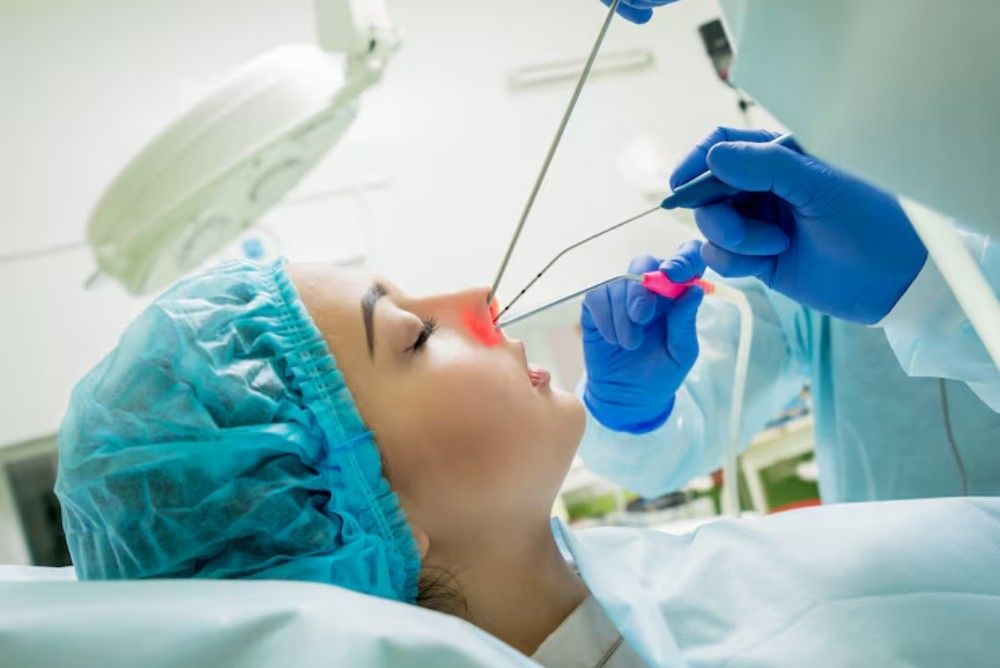
To understand this journey, it helps to know how your nose and mouth work together. Your sinuses are empty spaces located right above your upper back teeth. When a tooth is missing for a long time, the bone there can get thin.
A sinus lift adds new bone to that area so there is enough room for a dental implant to stay strong. Learning about sinus lift recovery and aftercare tips helps you look after yourself so the new bone can settle in perfectly.
By following a few easy steps, you can make sure your mouth stays healthy as it gets ready for your new smile.
How Long Does It Take to Feel Better?
The first few days after your visit are the most important for your healing. You might see some swelling or feel a bit of pressure in your cheek, but this is a normal sign that your body is working to fix the area.
Many people ask how long sinus lift recovery takes before they can go back to their regular activities, like sports or work.
Usually, the swelling is at its peak around the third day, and after that, you will start to feel a little better every single morning.
Where Can You Find the Right Help?
Because this procedure involves the delicate space near your nose, you want to find a team that has a lot of experience.
If you are looking for sinus lift surgery near you, it is a good idea to choose a place that focuses on these types of bone grafts.
An expert will know exactly how to keep you comfortable and make sure the new bone stays right where it should.
Getting the right care from the start means your dental implants will have a much stronger foundation, which helps them last for many years to come.
What Things Should You Avoid Doing?
One of the biggest rules for this type of healing is to avoid anything that puts pressure on your sinuses.
Since the area is so close to your nose, simple things like blowing your nose or using a straw can accidentally move the new bone. It is very helpful to talk to a dentist in Gibsonton who can give you a list of soft foods to eat and habits to skip for a while.
Keeping your mouth clean without swishing water too hard will protect the area while the skin is still closing up and getting strong.
| Healing Stage | What to Expect | What You Can Do |
| Days 1 – 3 | Some swelling and soreness | Rest and keep your head up |
| Days 4 – 7 | The swelling starts to go away | Start doing light activities |
| Weeks 2 – 4 | Mouth feels mostly normal | Go back to most daily habits |
| Months 4 – 6 | Bone becomes solid and strong | Get ready for your implant |
How to Keep Your Mouth Clean Safely
Taking care of your teeth after surgery means being extra careful not to disturb the stitches.
You should not brush the exact spot where the surgery happened for the first few days, but you still need to keep the rest of your mouth fresh to stay safe from germs.
Checking in with a dentist near you for a quick follow-up visit is a great way to make sure everything is looking healthy. They can tell you exactly when it is okay to start using your regular toothbrush and floss again in that area.
Choosing the Right Foods for Healing
Your body needs good energy to heal, but you have to be careful about what you eat. For the first week, stick to foods that are very soft so you do not have to chew near the surgical spot.
Eating healthy meals helps your gums and bones knit back together much faster than if you skip eating.
- Cool Liquids: Smoothies and milkshakes are great because they give you nutrients without any chewing.
- Soft Meals: Things like mashed potatoes, yogurt, or scrambled eggs are perfect choices for the first few days.
- Stay Hydrated: Drink plenty of water to keep your body strong, but remember to take small sips and never use a straw.
Important Rules for Sneezing and Moving
There are a few special rules for this recovery that are different from other dental visits.
For example, if you feel like you have to sneeze, you must keep your mouth wide open. This lets the air out safely so it does not push against your sinus and move the new bone graft.
Also, try to avoid bending over quickly or lifting heavy boxes, as this can cause a throbbing feeling in your cheek and might lead to more swelling.
Start Your Journey to a Fuller Smile
Your comfort is the most important thing to us at Orange Blossom Oral Surgery. If you have any questions about how to care for your mouth or if you want to see if this treatment is right for you, our team is ready to help.
We make sure every person gets the kind and expert care they need for a great result. Call our office today to find out more about how we can help your smile get back to its best!
Frequently Asked Questions
Is it okay to go on a plane after my surgery?
It is usually best to wait about two weeks before flying because the air pressure in a plane can hurt your healing sinus. If you absolutely have to fly, ask your team about using a special nose spray to help keep the pressure low.
What happens if I accidentally sneeze?
If a sneeze happens, make sure your mouth is open so the air has a clear path out. This protects the delicate area inside your cheek from getting pushed by the pressure of the sneeze.
Is it normal to see a little blood from my nose?
Yes, a bit of spotting from the nose can happen during the first day or two while things settle down. However, if the bleeding is heavy or does not stop after a few minutes, you should call the office right away.
How do I know if the new bone is staying in place?
A few months later, your team will take an X-ray to see if the bone has become solid. During the first few weeks, if you are not having any pain or fever, it is a great sign that you are healing just fine.
