
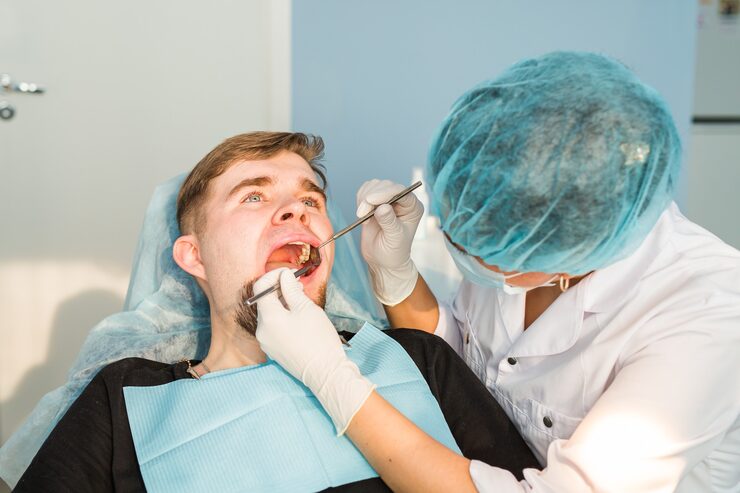
Jaw soreness can happen after a tooth is removed, especially if the extraction was difficult or involved a wisdom tooth. During tooth extractions in Gibsonton, your mouth may need to stay open for some time. This can make the jaw muscles and nearby tissues feel sore afterward. Mild soreness usually gets better as your mouth heals. However, if the pain gets worse, lasts longer than expected, or comes with swelling, fever, or other unusual symptoms, contact your dentist for a checkup.
Knowing what can cause jaw pain after an extraction can help distinguish normal healing from signs that may require further care.
Why Does Jaw Pain Happen After a Tooth Extraction?
Jaw pain after tooth extraction can have several causes. The jaw muscles may become sore from keeping the mouth open during treatment. The tissues around the extraction site can also be tender while they heal.
Other possible causes include:
- Normal healing of the extraction area
- Jaw muscle strain
- Swelling around the treated area
- Stiffness from limited jaw movement
- A more difficult or lengthy extraction
Mild soreness should generally become easier with time rather than steadily getting worse.
How Long Does Jaw Pain Usually Last?
The length of discomfort varies depending on the tooth removed and how difficult the extraction was. Jaw soreness may be more noticeable during the first few days and gradually improve.
Recovery can take longer when:
- A wisdom tooth was removed.
- The tooth was difficult to access
- The extraction involved more manipulation.
- There was infection before treatment.
- The jaw muscles became particularly sore.
If pain is not improving or starts getting worse after initially improving, an assessment may be appropriate.
What Does Jaw Pain 2 Weeks After Tooth Extraction Mean?
Jaw pain 2 weeks after tooth extraction is not necessarily a sign of a serious problem, but ongoing pain should not automatically be ignored. Some tenderness may remain while the area continues to heal, particularly after a more complex extraction.
Persistent pain may have other causes, such as:
- Delayed healing
- Continued irritation around the extraction site
- An infection
- A problem affecting a nearby tooth
- Jaw joint or muscle discomfort
An oral surgeon in Gibsonton can examine the area and determine whether the discomfort is part of normal healing or needs additional care.
Why Can Jaw Clicking Happen After an Extraction?
Jaw clicking after tooth extraction may occur when the jaw joint or surrounding muscles are affected by changes in movement. Keeping the mouth open during treatment can temporarily strain the jaw muscles.
Occasional clicking without pain may not require treatment. However, clicking combined with pain, locking, difficulty opening the mouth, or ongoing stiffness should be assessed.
Try to avoid repeatedly opening the mouth very wide while the jaw is sore.
When Should Jaw Pain Be Checked?
The recommended aftercare instructions should follow a tooth extraction appointment in Gibsonton. Contact the dental team if pain is severe, worsening, or accompanied by other concerning symptoms.
Seek dental advice if there is:
- Increasing swelling
- Fever
- Pus or unusual discharge
- Severe or worsening pain
- Difficulty opening the mouth
- Persistent bad taste or odour
- Numbness that does not improve
- Trouble swallowing or breathing
These symptoms can have different causes and may need prompt assessment.
What Can Help With Jaw Soreness?
An oral surgeon near you can give you care instructions based on your extraction. General care may include:
- Take pain medicine as directed.
- Eat soft foods while your jaw is sore.
- Avoid opening your mouth too wide.
- Follow the cleaning instructions from your dental team.
- Give your jaw plenty of rest.
- Use a cold or warm compress only if your dental team recommends it.
Do not put anything directly into the extraction area unless your dental team tells you to.
Know When Jaw Pain Needs Attention!
Some jaw soreness can be part of normal recovery after an extraction, but persistent or worsening discomfort deserves attention. Checking unusual symptoms early can help identify the cause and determine whether additional care is needed.
Book an appointment with Orange Blossom Oral Surgery to have ongoing jaw pain after an extraction evaluated and receive guidance based on your healing and treatment needs.
FAQs
How long does jaw pain last after tooth extraction?
Jaw soreness often improves over the first several days, but the exact recovery time varies. A difficult extraction or wisdom tooth removal may cause soreness for longer. Pain that does not improve should be assessed.
What helps jaw pain after tooth extraction?
Resting your jaw, eating soft foods, and taking pain medicine as recommended may help. Avoid chewing too much or opening your mouth very wide while your jaw heals.
Is jaw pain after tooth extraction a sign of dry socket?
Not always. Dry socket usually causes significant pain that develops or becomes worse a few days after extraction and may spread toward the ear or side of the face. An examination is needed to confirm the cause.
Why is my jaw sore after wisdom teeth removal?
Wisdom tooth removal can make the jaw muscles sore because the mouth may need to remain open during treatment. Swelling and normal healing can also contribute to discomfort.
Does your jaw shrink after tooth extraction?
The jawbone in the area of a missing tooth can gradually change because it no longer receives the same stimulation from the tooth. This is different from temporary jaw soreness after extraction.
