
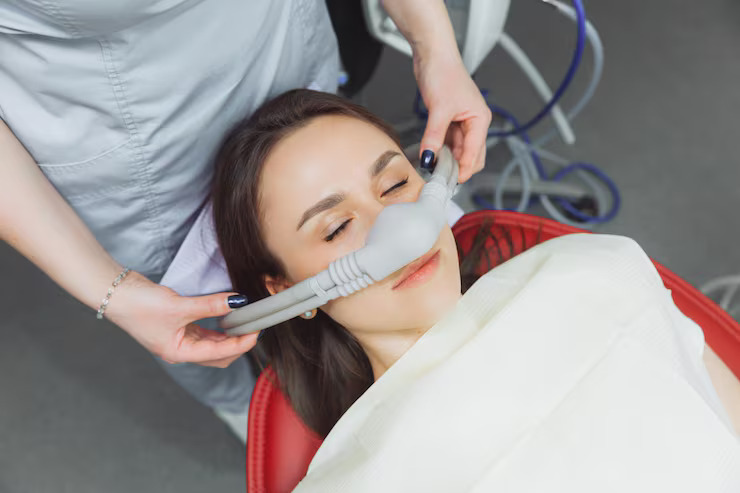
Many people feel nervous about going to the dentist. Some feel mildly uneasy. Others feel genuinely scared. Either way, modern dentistry has come a long way in making sure patients feel as comfortable as possible during treatment.
Sedation dentistry is one of the biggest reasons dental visits have become so much easier for so many people. But patients often wonder, what is the difference between sedation and regular anesthesia? Are they the same thing? Which one will I need?
This guide answers those questions in plain, easy language.
What Is Sedation Dentistry?
Sedation dentistry uses safe medication to help you feel calm and relaxed during your dental appointment. You do not go to sleep—in most cases, you stay awake but feel very comfortable and at ease. Some people feel a little drowsy. Others feel deeply relaxed but can still hear and respond to their dentist.
If you are looking for sedation dentistry near you, it comes in a few different forms depending on how anxious you feel and what kind of procedure you need.
The most common types are:
- Nitrous oxide—also known as laughing gas. You breathe it in through a small nose mask. It makes you feel calm and a little floaty. It wears off within minutes after the mask is removed
- Oral sedation — a pill you take before your appointment. It makes you feel drowsy and very relaxed during treatment
- IV sedation — medication given directly into a vein. It produces a deeper level of relaxation. Most patients have little or no memory of the procedure afterward
What Is Traditional Dental Anesthesia?
Traditional dental anesthesia works differently. It does not make you feel calm or sleepy.
Instead, it numbs a specific part of your mouth so you do not feel any pain during the procedure.
You stay fully awake and aware the whole time. You can hear everything and see everything and feel the pressure of the treatment—but you do not feel pain in the numbed area.
This is called local anesthesia, and it is what dentists use for most everyday procedures like fillings, tooth extractions, and root canals.
There is also general anesthesia—where you are completely asleep and unaware of everything. This is used for complex oral surgeries or for patients who have significant medical or behavioural needs that make it difficult to receive treatment while awake.
How Are They Different?
Here is a simple comparison to help you understand the key differences:
| Feature | Sedation Dentistry | Local Anaesthesia | General Anaesthesia |
| Are you awake? | Yes—relaxed but conscious | Yes—fully awake | No—completely asleep |
| Does it stop pain? | Works alongside pain relief | Yes—numbs the area | Yes—complete pain relief |
| Does it reduce anxiety? | Yes—main benefit | No | Yes—you are unaware |
| Recovery time | Minutes to a few hours | Wears off in 1 to 4 hours | Several hours—needs escort home |
| Memory of procedure | Little to none with deeper sedation | Full memory | No memory at all |
| Best suited for | Anxious patients and longer procedures | Routine everyday procedures | Complex surgeries and special needs |
An oral surgeon in Gibsonton will review your health history, your anxiety level, and the type of procedure you need before recommending the right option for you.
Can Sedation and Anesthesia Be Used Together?
Yes—and this is actually very common.
Many patients receive both at the same time. They are not alternatives — they serve different purposes.
Sedation calms your nerves and helps you feel relaxed. Local anesthesia numbs the area so you feel no pain. Together, they work as a team to make your experience as comfortable as possible from start to finish.
For example—if you are having a tooth removed, your dentist might give you:
- Nitrous oxide or oral sedation to help you feel calm throughout the appointment
- A local anesthetic injection into the gum to completely numb the area
This combination covers both the emotional and physical sides of comfort. It is one of the most widely used dental anesthesia options in oral surgery and general dentistry today.
Who Should Consider Sedation Dentistry?
Sedation is a great option for many different people. You may benefit from it if you:
- Feel very nervous or scared about dental visits
- Have had a bad dental experience in the past
- Need a long or involved procedure
- Have a sensitive gag reflex that makes treatment uncomfortable
- Find it hard to sit still for a long period of time
- Want to have little or no memory of the procedure
- Need several treatments completed in fewer visits
If you are searching for an oral surgeon near you who offers sedation, choosing a practice that has experience with both sedation and surgical procedures gives you the best level of safety and care.
Is Sedation Dentistry Safe?
Yes—when it is given by a trained and qualified dental professional, sedation dentistry is safe for most patients.
Before any sedation is administered, your dental team will:
- Go through your full medical history carefully
- Check your current medications for any possible interactions
- Assess your overall health to choose the right type and amount of sedation
- Monitor your heart rate, blood pressure, and breathing throughout the entire procedure
Always be completely honest with your dental team about your health history and any medications you take. This information helps them keep you safe.
Feel at Ease From Start to Finish — Orange Blossom Oral Surgery Is Here for You
Knowing the difference between sedation and anesthesia helps you feel more prepared and less worried before your appointment. The right comfort options make even complex procedures feel manageable—and sometimes surprisingly easy.
At Orange Blossom Oral Surgery, every patient is treated with genuine care, patience, and professional expertise. The team understands that anxiety is real—and they are committed to making sure it never stands in the way of the treatment you need. Whether you have questions about sedation options or are ready to book your procedure, they are here to help every step of the way. Book your consultation with us today and experience dental care that puts your comfort first.
FAQs
Can I drive myself home after sedation dentistry?
No — most forms of sedation beyond nitrous oxide require a trusted adult to drive you home and stay with you for a few hours afterward, since the medication takes time to fully leave your system.
Is sedation dentistry covered by dental insurance?
Coverage depends on your specific plan — sedation is more likely to be covered when it is medically necessary for a surgical procedure, so it is worth checking with your insurance provider before your appointment.
Can children receive sedation for dental treatment?
Yes — options like nitrous oxide are widely and safely used for children who feel anxious or have difficulty cooperating during treatment, always with careful dosing, close monitoring, and full parental consent.
How will I know which sedation option is right for me?
Your dental or oral surgery team will assess your anxiety level, medical history, and the type of procedure you are having before recommending the safest and most appropriate sedation option for your individual needs.
