
When a tooth is lost, most people think about the gap in their smile or the difficulty chewing. What many do not realize is that something else starts happening beneath the surface — the jawbone in that area begins to shrink. This process is called bone resorption, and it starts sooner than most people expect.
Understanding the dental implants benefits that go beyond appearance is one of the most important things a person can know when considering their tooth replacement options.
Why Does Bone Loss Happen After Tooth Loss?
The jawbone stays healthy because of the stimulation it receives from tooth roots. Every time you bite and chew, the root of the tooth sends small forces down into the bone. This stimulation signals the bone to keep rebuilding itself and stay dense.
When a tooth is removed, that stimulation stops. The bone no longer receives the signal it needs to maintain itself. As a result, it begins to shrink — a process that starts within the first few months of tooth loss and continues steadily over time.
Even within a year of the tooth loss, there can be considerable bone loss in that site. After a period of several years, changes can become apparent, altering the contour of the face and jaw, as well as the position of the remaining teeth.
How Dental Implants Solve This Problem
This is where dental implants for missing teeth offer something that no other tooth replacement option can match.
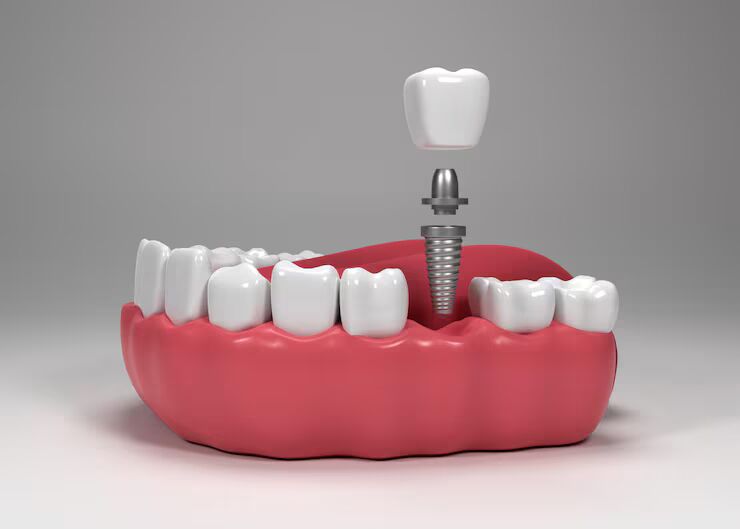
A dental implant is a small titanium post that is placed directly into the jawbone by an oral surgeon. Once it is in position, it acts as an artificial tooth root. When you chew and bite, the implant transfers those forces into the bone — just like a natural root would.
This stimulation tells the bone to keep regenerating. The result is that bone loss is stopped in its tracks. In some cases, the bone density in the area even begins to improve after an implant is placed.
No other tooth replacement — not a bridge, not a denture — can replicate this effect. Bridges sit above the gum and do not interact with the bone at all. Dentures rest on the gum surface and provide no stimulation to the bone underneath. Only an implant works at the root level.
Finding Dental Implants Near You
If you have been living with a missing tooth for a while, the bone loss process has likely already begun. The sooner you seek dental implants near you, the more bone is preserved – and the simpler the implant procedure tends to be.
When significant bone loss has already occurred, a bone graft may be needed before an implant can be placed. This adds time and complexity to the treatment. Getting assessed early avoids this when possible.
What the Implant Process Involves
An oral surgeon in Gibsonton whom patients trust will guide you through a process that is more straightforward than most people expect.
Here is a general overview of what is involved:
- A thorough consultation and imaging to assess the bone and plan the placement
- Placement of the titanium implant post into the jawbone under local anesthesia
- A healing period—usually a few months—during which the implant fuses with the bone in a process called osseointegration
- Placement of an abutment — a small connector piece — on top of the implant
- Fitting of the final crown, which looks and functions like a natural tooth
The healing process takes time, but the result is a stable, long-lasting restoration that preserves the bone and restores full function.
Other Benefits of Dental Implants
Beyond bone preservation, implants offer a range of advantages that make them the gold standard for tooth replacement.
- They look and feel completely natural
- They do not affect neighbouring teeth the way a bridge does
- They are easy to clean—brush and floss just like natural teeth
- They do not slip or move the way dentures can
- With proper care, they can last a lifetime
An oral surgeon near you can assess whether you are a suitable candidate and outline what the process would look like for your specific situation.
Restore Your Smile and Protect Your Jaw – Visit Orange Blossom Oral Surgery
A missing tooth affects more than your smile. It affects the health of your jaw, the alignment of your surrounding teeth, and the structure of your face over time. Acting sooner rather than later gives you the best outcome.
At Orange Blossom Oral Surgery, they concentrate on placing dental implants with care, for your comfort, and for long-term results. If you are missing teeth or have delayed getting this treated, now is the time to make an appointment to see how implants can safeguard your oral health for years to come.
FAQs
How soon should a dental implant be considered after losing a tooth?
Sooner is always better. The moment that the tooth is lost, the bone will begin to resorb, and this takes a number of months. If an implant is placed quickly after the tooth is lost, there will be a greater amount of bone to accommodate the implant. The procedure will also tend to be easier.
Can any patient have a dental implant?
Most healthy adults can be good candidates for implants. However, the candidate’s health, the state of the bone, and other issues such as certain drugs and medications could influence whether the candidate is suitable for a dental implant. Only an oral surgeon can decide on the suitability after a proper examination of the patient.
Do I have to give extra care to the dental implants?
No. You just need to look after it as well as you do now with your normal teeth. Brush and floss every day and visit your dentist for a regular check-up. The implant cannot rot itself, but the gums and bone around it need to be in good health.
How long do dental implants last?
With proper care, dental implants can last many decades — and in many cases, a lifetime. The crown placed on top may eventually need replacing, but the implant post itself is designed to be a permanent solution.
