
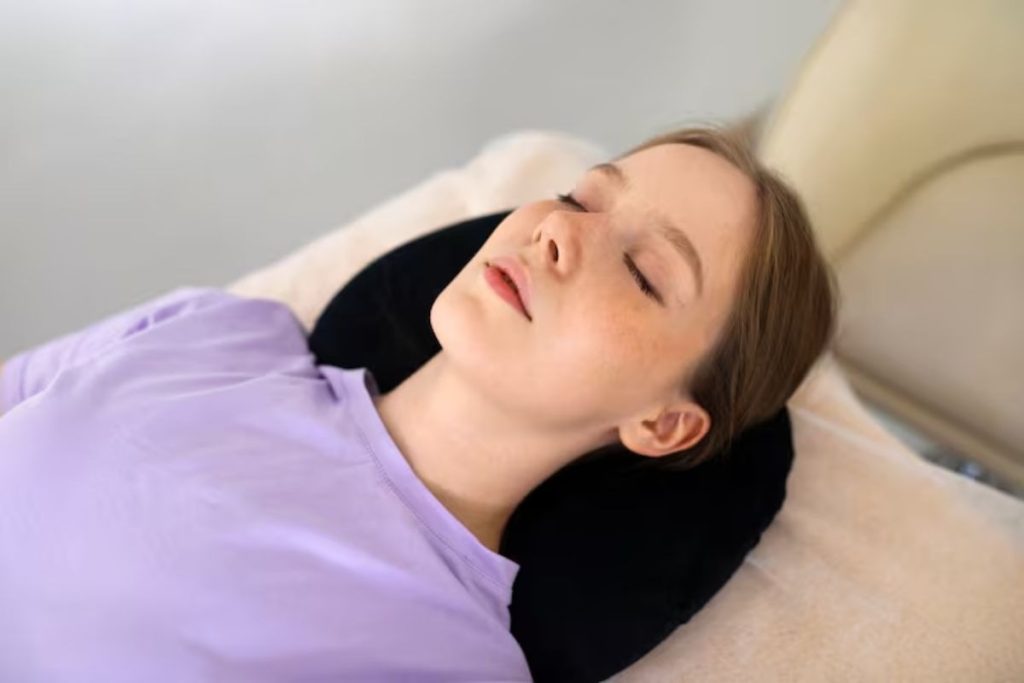
For many individuals, sitting in a dental chair can cause feelings of nervousness or worry. If you struggle with these feelings, you might wonder: Can you sleep during dental treatment to make the visit easier? The short answer is yes, it is entirely safe and very common to nod off while a professional works on your smile. In fact, many modern dental offices use specialized techniques specifically designed to help you relax so deeply that you might drift into a peaceful nap.
Why Patients Fall Asleep in the Chair
It might seem surprising, but falling asleep during a dental visit happens quite frequently for a few simple reasons. First, modern dental chairs are designed to be highly comfortable and supportive, much like a recliner at home.
If you choose to use sedation dentistry, the medications used to calm your nerves naturally make your body feel heavy and relaxed. Combined with the steady, quiet hum of the office equipment and the fact that you have your eyes closed, your body naturally takes this as a cue to drift off to sleep.
Understanding Your Relaxation Options
To help you feel comfortable during your visit, professionals use different levels of relaxation medicine. It helps to understand the main differences between these options so you know exactly what to expect.
Light to Moderate Sedation
With lighter options, like breathing in a calming gas through a small mask, you remain fully awake but feel completely peaceful. A slightly stronger option involves taking a small pill before your appointment. While you are technically awake and able to answer simple questions, you feel so cozy that you will likely nod off naturally during the procedure.
Deep Sedation and General Anesthesia
For longer or more complex surgeries, deeper methods are used. When comparing conscious sedation vs general anesthesia dental options, the main difference is your level of awareness. Deep sedation keeps you in a heavy sleep where you will not feel or remember anything, while general anesthesia puts you into a deep, medically controlled sleep for the entire duration of the treatment.
What Happens While You Are Asleep?
Your safety is always the highest priority during any appointment. If you do drift off to sleep, the professional team monitors you closely every single second.
Specialized sensors are placed on your finger or arm to keep track of your heart rate, blood pressure, and oxygen levels. The team ensures you are breathing comfortably and safely.
Because the local numbing medicine completely blocks any discomfort, your body stays resting peacefully without any sudden movements.
Comparing Relaxation Levels for Dental Care
Different procedures and comfort levels require different approaches to keep you relaxed. This simple chart shows how the main methods compare to one another.
| Relaxation Level | How You Feel | Can You Answer Questions? | Best Used For |
| Light Relaxation | Calm, cozy, slightly sleepy | Yes, perfectly alert | Simple cleanings or fillings |
| Moderate Sedation | Deeply relaxed, likely to nap | Yes, with a gentle nudge | Extractions or longer visits |
| Deep Sleep | Completely asleep, no memory | No, fully resting | Complex jaw or oral surgeries |
Expert Care for Complex Procedures
If you require specialized care, such as having wisdom teeth removed or receiving dental implants, you will want a highly trained specialist by your side. Visiting an experienced quality dental services ensures that your care is managed by a professional who has completed years of advanced hospital training.
These are professionals who know what it takes to administer your relaxation meds properly and safely. Explore our dental office, whom you can trust caring for you, allows you to shut your eyes completely and without a care in the world.
Waking Up and Recovery After Your Visit
When your procedure is finished, the relaxation medicine is gently turned off or allowed to wear off naturally. You will wake up feeling a bit groggy, much like waking up from a very deep afternoon nap.
The dental team will have you rest in a comfortable recovery room for a little while until your head feels clear. Because these medicines take some time to fully leave your body, you will need a trusted family member or friend to drive you home safely so you can rest for the remainder of the day.
A Restful Path to Better Health
Taking care of your teeth should never be a source of fear or stress. Thanks to modern medicine, you no longer have to feel anxious about your appointments. Drifting off to sleep during your visit is a perfectly safe, normal, and effective way to get the care you need without any worry. By choosing the right relaxation option for your needs, you can easily maintain a healthy, beautiful smile while enjoying a peaceful, restful break in the chair.
If you are looking for a comfortable, stress-free experience for your upcoming dental needs, Brandon Oral and Maxillofacial Surgery provides specialized, expert care tailored to your absolute comfort. Our dedicated team focuses on safe, gentle techniques to ensure your visit is completely peaceful from start to finish. To learn more about our relaxation options or to plan your visit, please contact us today.
Frequently Asked Questions
Is it safe for older adults to fall asleep during dental procedures
Yes, it is very safe as long as the professional reviews your health history and monitors your vital signs closely.
Will I remember anything about my procedure if I fall asleep?
If you experience moderate or deep relaxation, you will likely remember absolutely nothing about the treatment itself.
How long does it take for dental relaxation medicine to wear off?
Most patients begin to feel alert within 30 to 60 minutes, but you should rest at home for the whole day.
Can children safely receive relaxation medicine for dental work?
Yes, pediatric specialists routinely use mild, safe options to help children stay calm and still during their visits.
