
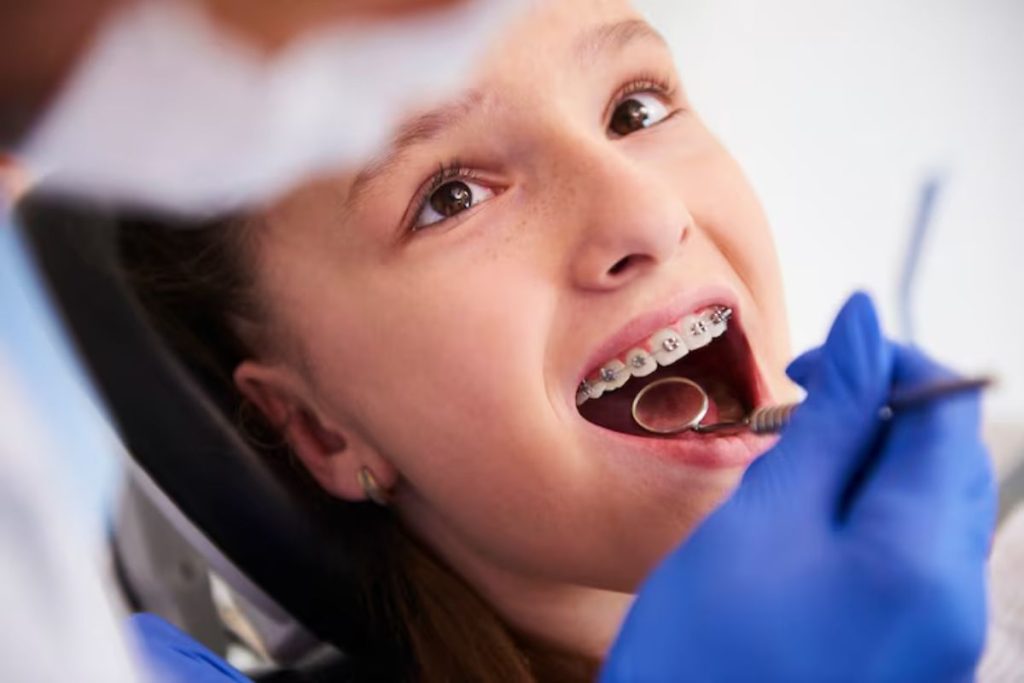
Most people think getting a straight smile only involves braces or clear aligners. Often, that is true! Braces move teeth into the right spots. However, teeth are held in place by the jawbones. If the upper and lower jaws do not line up correctly, braces alone might not fix the problem. Learning the signs your bite problem requires surgery can help patients understand when a professional may suggest surgical orthodontics.
What is Orthodontic Surgery?
This type of care is also called orthognathic surgery. It is a special treatment used to fix major jaw problems. It helps a person chew better, speak clearly, and breathe more easily. While a dentist or orthodontist moves the teeth, an oral surgeon is the specialist who performs the actual bone surgery.
Surgical Orthodontics Candidates
Not everyone needs surgery. Most surgical orthodontics candidates are adults whose jaws have stopped growing. In children, the jaw is still soft and changing, so a professional can often guide growth with special tools. Once a person is a teenager or an adult, the bones are set. If the jaw is too short, too long, or crooked, surgery is the best way to move it into the right position.
Signs Your Bite Problem Requires Surgery
It can be hard to tell from looking in the mirror whether surgery is needed. However, there are specific signs your bite problem requires surgery that professionals look for during an exam.
- Difficulty Chewing: If the teeth do not meet, it is hard to bite into food like apples or sandwiches.
- Speech Issues: Sometimes a jaw that is out of place causes a lisp or makes certain words hard to say.
- Open Bite: This is when the back teeth touch, but the front teeth stay far apart.
- Protruding Jaw: This is when the lower jaw sticks out much further than the upper jaw (an underbite) or the upper jaw sticks out too far (an overbite).
- Chronic Pain: An unaligned jaw can cause headaches or pain in the jaw joint.
How the Process Works
The process usually starts with braces. The orthodontist moves the teeth so they will fit together perfectly after the jaw is moved. This part can take a year or more. Once the teeth are ready, the oral surgeon performs the procedure in a hospital or surgical center.
The surgeon carefully shifts the jaw bones into a new spot and secures them. After the surgery, there is a healing time. Once the bones are strong, the orthodontist finishes the treatment by making tiny adjustments to the teeth with braces.
Surgically Assisted Orthodontics
In some cases, a patient might need surgically assisted orthodontics in Gibsonton. This is often used for a “palatal expansion.” If the roof of the mouth is too narrow, the surgeon can help the orthodontist widen it. This creates more room for crowded teeth and helps the top and bottom teeth fit together.
Why Finding the Right Professional Matters
Fixing a jaw is a big step. It requires a team that knows exactly how the mouth works. If you think your jaw feels “off,” it is a good idea to search for a qualified oral surgeon near you. They work closely with your professional to ensure your face looks balanced and your mouth functions as it should.
Improving the jaw does more than make a smile look nice. It protects the teeth from wearing down too fast and helps people eat and talk without pain. It is a life-changing treatment that builds a healthy foundation for a beautiful smile.
Orthodontic Surgery Can Transform Your Smile.
We provide professional care for jaw alignment, bite correction, and oral health needs. Our skilled team uses advanced dental and surgical techniques to improve function, comfort, and facial balance. We focus on safe treatment and patient support at every step. Visit Orange Blossom Oral Surgery today.
FAQ
Does the surgery happen before or after braces?
Usually, braces are put on first to move the teeth into a specific position. The surgery happens in the middle of the treatment, and braces stay on for a little while afterwards to finish the job.
How long does it take to recover?
Initial healing takes about 2 to 6 weeks. Most people can go back to school or work after a few weeks, but the bones take several months to heal completely.
Will there be scars on the face?
Most of the time, the oral surgeon Gibsonton performs the work inside the mouth. This means there are usually no visible scars on the face.
Is the surgery painful?
The professional uses medicine so the patient sleeps through the surgery and feels no pain. Afterward, there will be some swelling and soreness, but the surgical team will provide medication to keep the patient comfortable.
Can braces alone fix a large overbite?
Braces can fix small gaps or crooked teeth. However, if the bone itself is the cause of the overbite, braces cannot move it. Surgery is required to fix the bone structure.
