
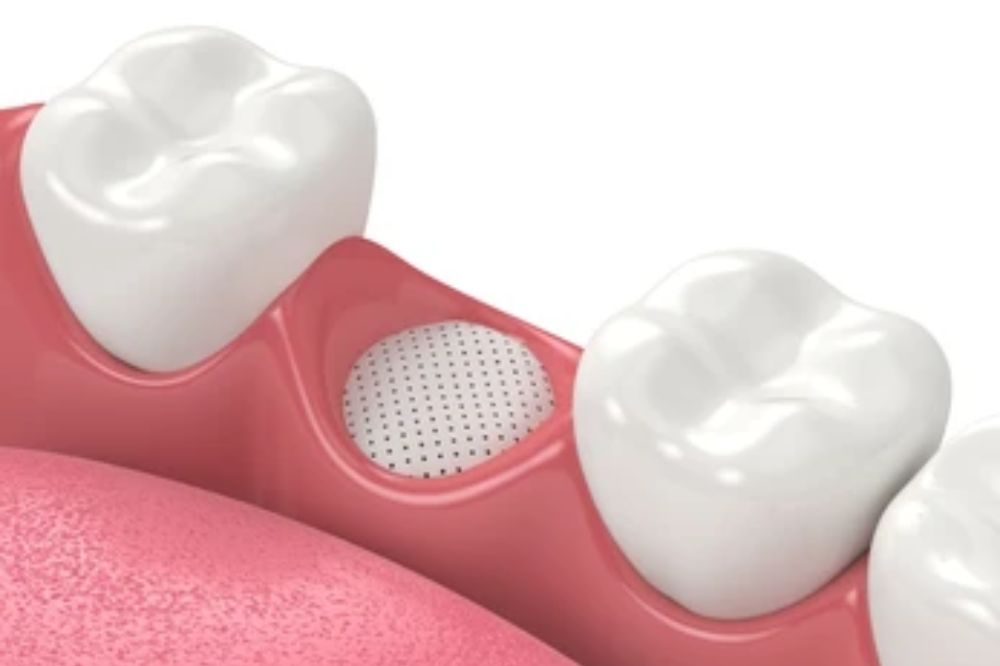
Why does loss of jawbone occur, and how does bone grafting help? Many people are unaware of how common jawbone loss is. An infection, gum issues, or tooth loss can cause this. Bone grafting in Gibsonton is an effective way to rebuild your jawbone and maintain the strength and health of your mouth. In the upcoming sections, you will get to learn about what a bone graft is, the types available, and how to determine which option may be right for you.
What Is Dental Bone Grafting?
Dental Bone Grafting is a treatment that adds new bone to areas of the jaw that have become weak or thin. This added bone provides support for the teeth and enables future therapies. Over time, the graft integrates with the host bone, restoring strength to the area.
This treatment is often recommended when the jawbone cannot support a tooth replacement or has shrunk due to bone loss.
Why Might Someone Need a Bone Graft?
Bone loss does not always cause pain, so many people don’t notice it right away. A bone graft may be needed if:
- A tooth has been missing for a long time.
- Gum disease has damaged the jawbone.
- An infection has weakened the bone.
- Additional support is required prior to tooth replacement.
You’ll avoid further bone loss and maintain facial symmetry.
Types of Bone Grafts Explained Simply
There are different types of bone grafts. Each one works in a slightly different way, depending on where the bone comes from and how your body responds.
Autograft: Bone from Your Own Body
An autograft uses bone taken from another area of your body, often the jaw or hip. Because it comes from you, it blends very well with your jawbone.
Best for: People who need strong and fast bone healing
Key benefit: Very high success rate
Allograft: Donor Bone Material
An allograft is a bone graft from a human donor. The bone is cleaned and prepared for safe use. Your body slowly replaces it with your own bone.
Best for: People who want to avoid a second surgical area
Key benefit: No need to take bone from your body
Xenograft: Bone from Natural Animal Sources
Bovine bone from natural sources is used as a xenograft. It appears as a device that allows bone invasion into the implant.
Best for: People who need mild support for their jawbone
Key benefit: Helps the bone grow strong and last longer
Synthetic Graft: Man-Made Bone Material
Synthetic grafts use safe materials that promote bone growth. Ultimately, your body replaces them with natural bone.
Best for: Smaller bone repairs
Key benefit: No donor bone needed
What Happens During a Bone Graft Procedure?
A Bone Graft Procedure is usually simple and carefully planned. First, the area is clean. The graft material is then placed where bone is missing. The site is protected to allow healing to begin. Over the next few months, your body grows new bone around the graft.
Most people return to daily activities soon after, with only mild soreness that fades quickly.
How Long Does Healing Take?
Healing time depends on the type of graft and your body’s response. In most cases, the bone strengthens over three to six months. During this time, the graft slowly becomes part of your jaw.
Good oral care and follow-up visits help healing stay on track.
How Do I Know Which Bone Graft Is Right for Me?
Choosing the right graft depends on:
- How much bone is missing
- Your overall oral health
- Future treatment goals
- Healing speed needed
An oral surgeon in Gibsonton will review X-rays and discuss the best option based on your needs.
Build a Healthier Jaw With Expert Care!
Bone grafting is a procedure that helps maintain the strength of the jaw and prepares it for future needs. At Orange Blossom Oral Surgery, the team of experts evaluates, informs, and customizes treatment options to achieve long-lasting results. If you’re considering bone grafting or want to hear which might be best for you, get in touch today and take a step toward a healthier, stronger smile.
FAQs
Does bone grafting hurt?
No. The area is thoroughly numbed during the procedure, so you should not feel any pain. A few days after, mild soreness or swelling is normal and can usually be managed with medication and rest.
Can bone grafting fail?
Bone grafting is usually successful when aftercare instructions are followed. Problems are uncommon, and your oral surgeon will monitor healing to make sure the graft is bonding properly.
Do I need bone grafting before implants?
Not everyone needs a bone graft. It is recommended only if your jawbone is too weak or thin to support a dental implant safely.
How long does a bone graft last?
Once the graft heals and becomes part of your natural bone, it can last for many years. With good oral care, the results are long-term and stable.
