
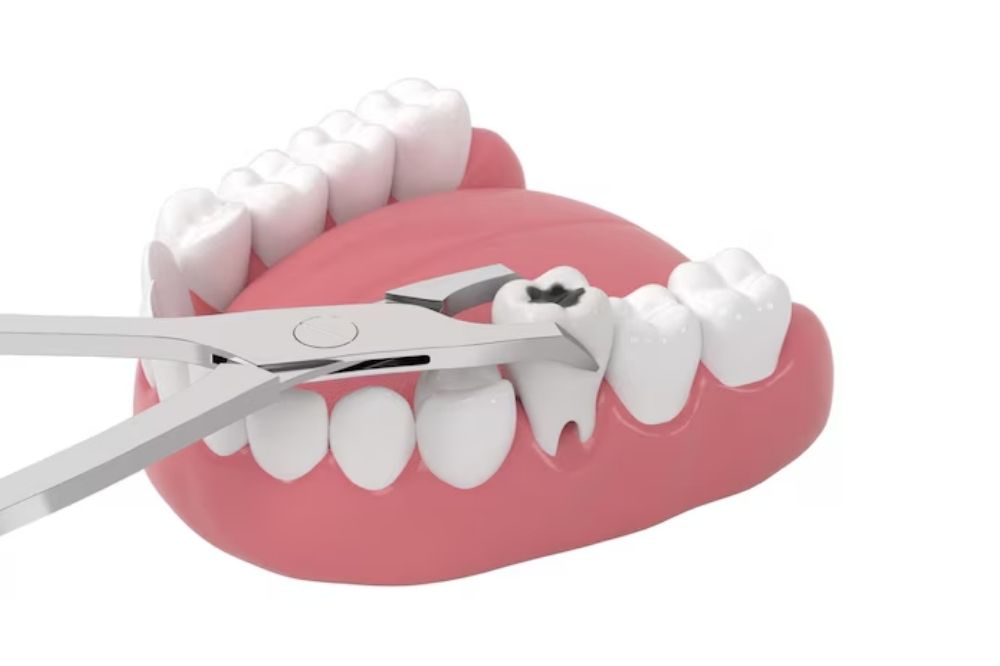
If you are considering tooth extractions in Gibsonton, you may be curious about how an extraction will affect your mouth long-term. Although extractions can stop the pain or remove unhealthy/damaged teeth, they can also affect your jaw posture and chewing ability years following the extraction. Let’s consider what happens when a tooth is removed and what steps can keep your oral health intact.
What Happens to Your Bite When a Tooth Is Removed?
- Every tooth cooperates and works together. If one tooth is removed, your other teeth can drift into the area of the gap. This can cause uneven loading when chewing.
- In the future, nearby teeth may tip or shift into the now-empty space, and therefore, your bite may be changed.
- An altered bite may make eating, talking, or smiling difficult and uncomfortable.
Can Tooth Removal Affect Your Jaw Health?
- Yes, extraction can impact your jaw. Once the tooth is no longer there, the bone surrounding it will start to shrink.
- Shrinkage of the bone may change your jawline’s shape, especially if multiple teeth are missing.
- If the jawbone becomes at rest, your other teeth may have less support, and without timely professional treatment, they may even drift out or become loose over time.
- Bone loss in the jaw can also make it harder to place dental implants in the future.
- Acting early with replacement options can help preserve bone and maintain facial structure.
Why Might You Feel Jaw Pain After a Tooth Extraction?
- Some discomfort in your jaw pain after tooth extraction, especially in the first couple of days afterwards, and this is part of the healing process.
- Pain may linger if your bite has changed or if you are chewing more on one side.
- If the pain has not gone away after about a week or is getting worse, consider checking in with your oral health provider.
How Long Is the Recovery Process After an Extraction?
Dental extraction recovery will generally heal well within about 1 to 2 weeks.
- You may feel some soreness, swelling, or bleeding in the first few days.
- Rest, soft foods, and appropriate oral hygiene will speed up your recovery.
- Adhere to aftercare practices recommended by the extraction provider, such as avoiding straws and not smoking.
Can You Develop Bite Problems After Tooth Removal?
- Yes, bite problems after tooth removal are possible if the gap is not filled with a bridge, implant, or denture.
- When teeth move into empty spaces, it can lead to uneven wear or grinding.
- This can cause discomfort, headaches, and even more dental issues down the line.
- A misaligned bite can also put extra stress on your jaw joints and muscles.
- Over time, this may lead to TMJ disorders or difficulty opening and closing your mouth smoothly.
How Can You Prevent Long-Term Bite and Jaw Issues?
- Replace missing teeth with options like dental implants, bridges, or partial dentures.
- Visit a provider offering oral surgery near you to explore solutions tailored to your needs.
- Getting ahead of the problem can help keep your bite balanced and your jaw strong.
- Regular checkups can catch early signs of shifting teeth or bone loss.
- Early action can save you from more complex treatments in the future.
- Restoring your missing teeth also helps improve your ability to chew and speak comfortably.
Take the Next Step with Orange Blossom Oral Surgery
Tooth removal doesn’t have to mean long-term bite or jaw issues. At Orange Blossom Oral Surgery, we’re here to help you through every step, from the procedure to recovery and beyond. If you’ve had an extraction or are planning one, now’s the time to protect your smile for the future.
Whether you need advice, treatment options, or just want peace of mind, we’re here to make things easier. Book a visit today and let’s keep your bite strong, your jaw healthy, and your confidence high.
FAQS:
- How soon should I replace a missing tooth after extraction?
It’s best to discuss replacement options with your provider before the extraction or shortly after. In many cases, waiting too long can lead to shifting teeth or bone loss, which can make future treatments more complicated. - Can a missing back tooth affect my bite?
Yes! Even though back teeth aren’t always visible, they play a key role in chewing and keeping your bite aligned. Losing one tooth can throw off the balance, causing other teeth to move and creating bite problems. - What are the signs of bite problems after a tooth is removed?
You might notice difficulty chewing, uneven wear on your teeth, jaw soreness, or clicking sounds when you open and close your mouth. If these symptoms appear, it’s important to schedule a dental visit.
